Metal emerged from blues-rock and psychedelic rock in the late 1960s and early 1970s, defined by heavily amplified distortion, extended guitar solos, and a commitment to volume and intensity. What began as a critically dismissed underground movement became one of rock's most enduring and diverse subgenres, spawning dozens of distinct styles from thrash to doom to metalcore.
G. Love & Special Sauce - G. Love & Special Sauce 30th Anniversary Viny/ Light RSD 2024
$42.52
About the Metal genre
The genre took shape when bands like Black Sabbath, Led Zeppelin, and Deep Purple built thick, massive sounds that pushed amplification and theatricality beyond what rock audiences had experienced. These early acts faced critical dismissal despite attracting devoted fans, establishing a pattern that would define metal's relationship with mainstream acceptance. By the mid-1970s, Judas Priest accelerated the genre's evolution by stripping away blues influences, while the New Wave of British Heavy Metal brought punk sensibility and increased speed through bands like Iron Maiden and Motörhead.
The 1980s split metal into competing directions: glam metal acts like Mötley Crüe achieved massive commercial success, while underground scenes developed more extreme styles. Metallica brought thrash metal into the mainstream and opened pathways to death metal and black metal, which remained largely subcultural. The 1990s saw alternative metal emerge as a more accessible middle ground, followed by nu metal's incorporation of funk and hip hop elements and metalcore's fusion with hardcore punk. Today the genre encompasses power metal, speed metal, melodic death metal, industrial metal, doom metal, deathcore, grindcore, progressive metal, and folk metal, each with its own collector community and pressing history.


![Dio At Donington ‘87 [2 LP] by Dio — album cover](https://m.media-amazon.com/images/I/51QF+9g8ljL._SY300_SX300_QL70_FMwebp_.jpg)


![Live After Death (40th Anniversary Limited Collectors Edition) [2LP Blue & Yellow Vinyl] by Iron Maiden — album cover](https://m.media-amazon.com/images/I/81fVdo9bgnL._AC_SL1500_.jpg)


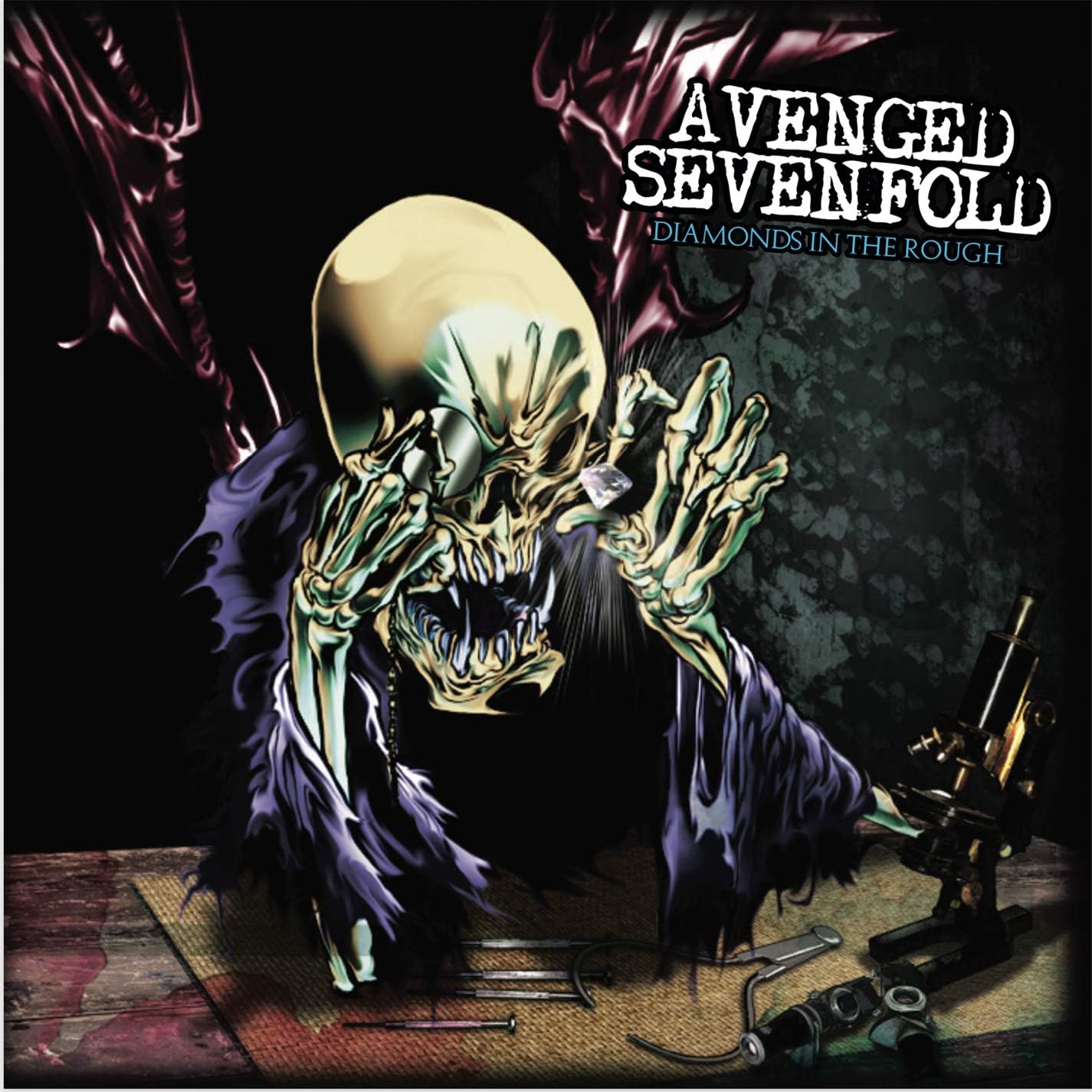


![Somewhere In Time [LP] by Iron Maiden — album cover](https://m.media-amazon.com/images/I/91UvT3iRq9L._AC_SL1500_.jpg)


![Suicide Notes And Butterfly Kisses[LP] by Atreyu — album cover](https://m.media-amazon.com/images/I/41fYiSVEXyL._SX300_SY300_QL70_FMwebp_.jpg)


![Live In São Paulo [2 LP] by Sepultura — album cover](https://m.media-amazon.com/images/I/61BUhCPqS6L._AC_SL1500_.jpg)