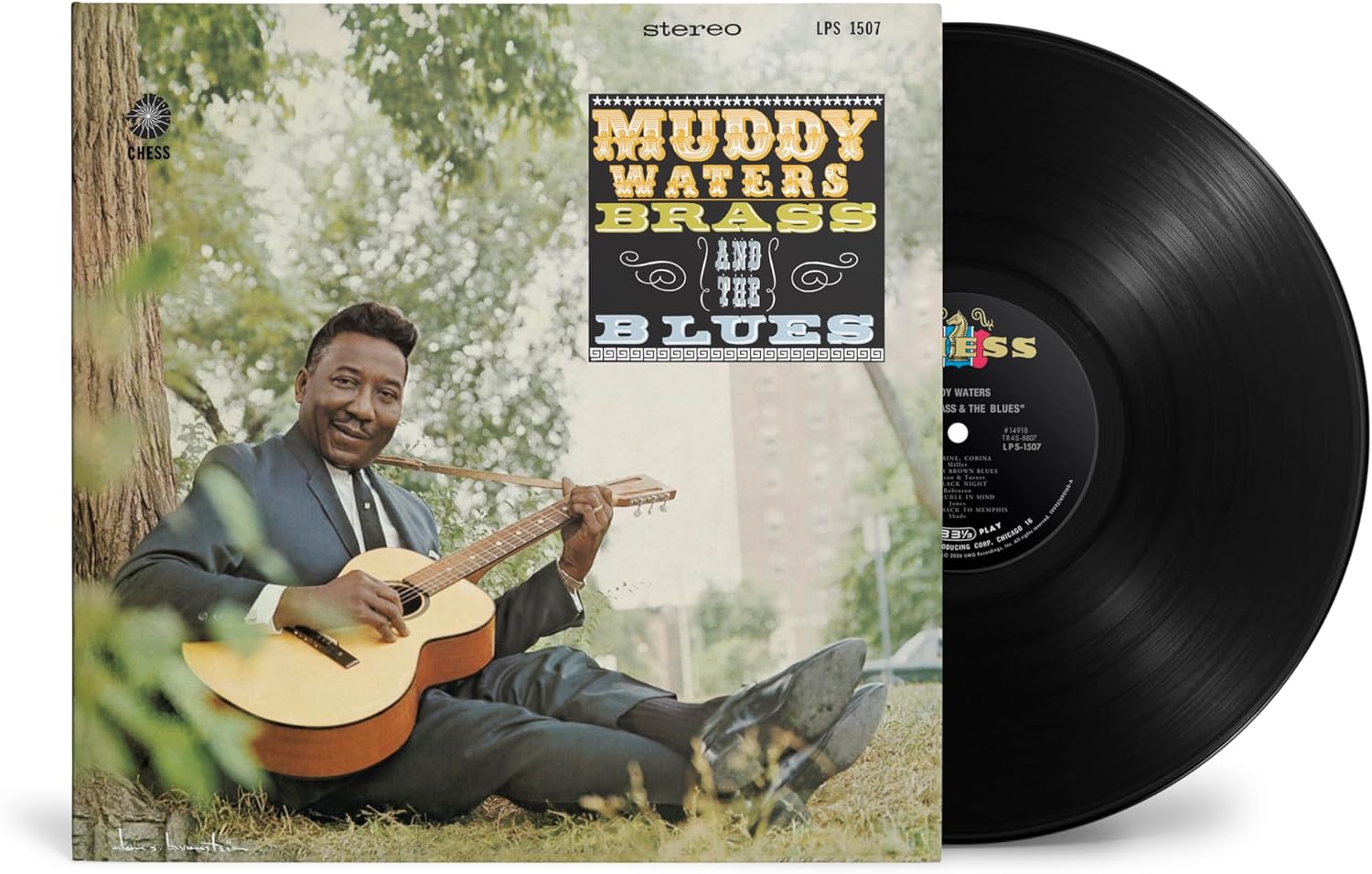
Blues is built on blue notes and call-and-response, emerging from African American spirituals, work songs, and field hollers in the American South. It's the foundation that shaped jazz, R&B, bluegrass, and rock, making it essential listening for anyone tracing modern music back to its roots.
Ella Fitzgerald and Louis Armstrong - Ella and Louis - Limited Splatter Edition
$30.20
$29.99
About the Blues genre
The blues developed from the vocal and instrumental traditions of Black communities, drawing on spirituals, work songs, field hollers, shouts, and chants. The defining element is the use of blue notes, or worried notes, typically the flattened third, fifth, and seventh degrees of a major scale. This flatting creates the minor tonality that gives blues its distinctive character, though the exact deviation varies between performers and regional styles like country blues.
The prominence of call-and-response patterns in both music and lyrics reveals deep African influence embedded in the form. From there, blues became one of the primary roots of jazz, rhythm and blues, and bluegrass. The genre remained fluid and adaptive: during the 1960s and 1970s, blues rock emerged as performers began blending traditional blues with various rock and roll approaches, expanding its reach into new audiences while maintaining the core blue note vocabulary that defined it.

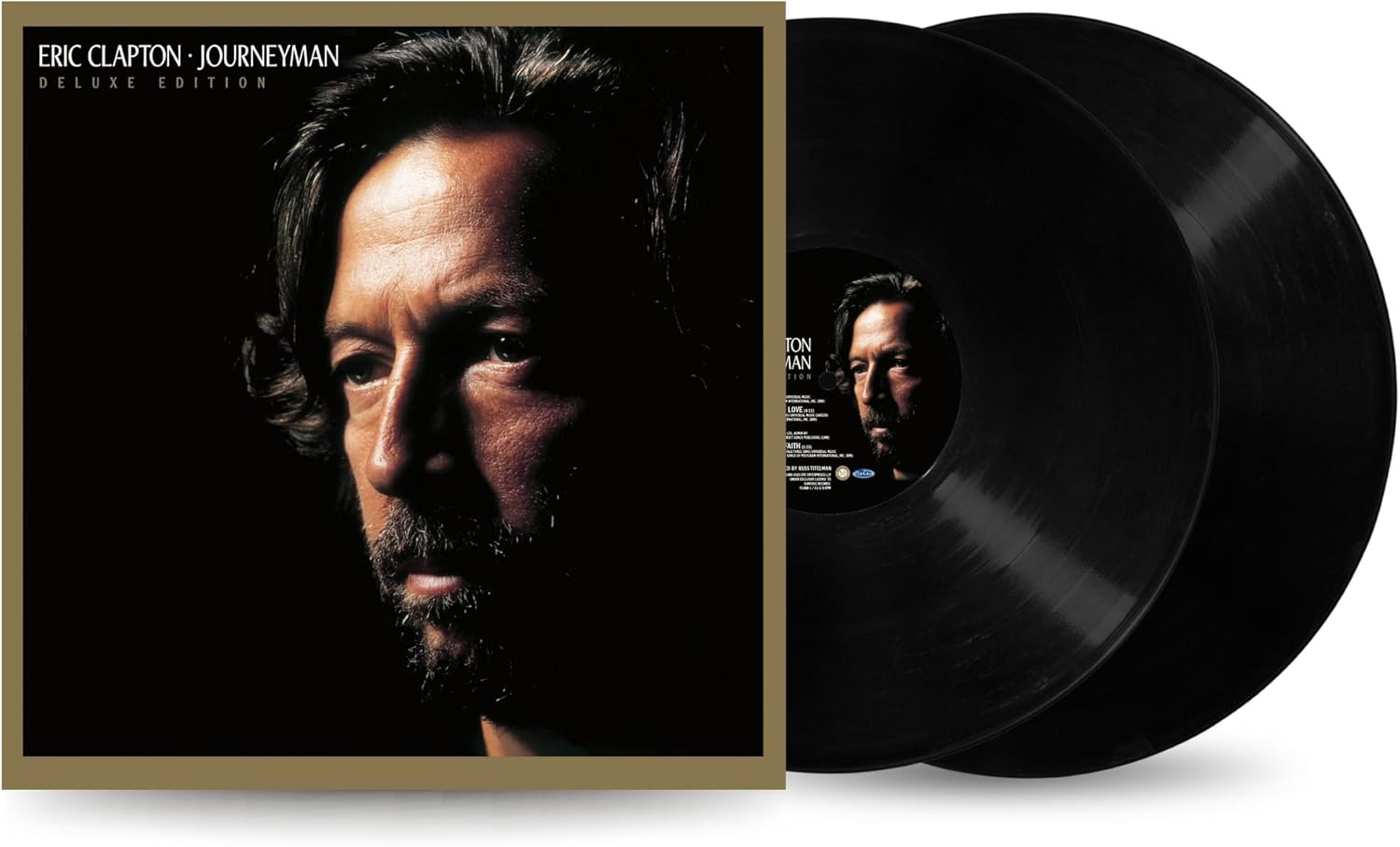


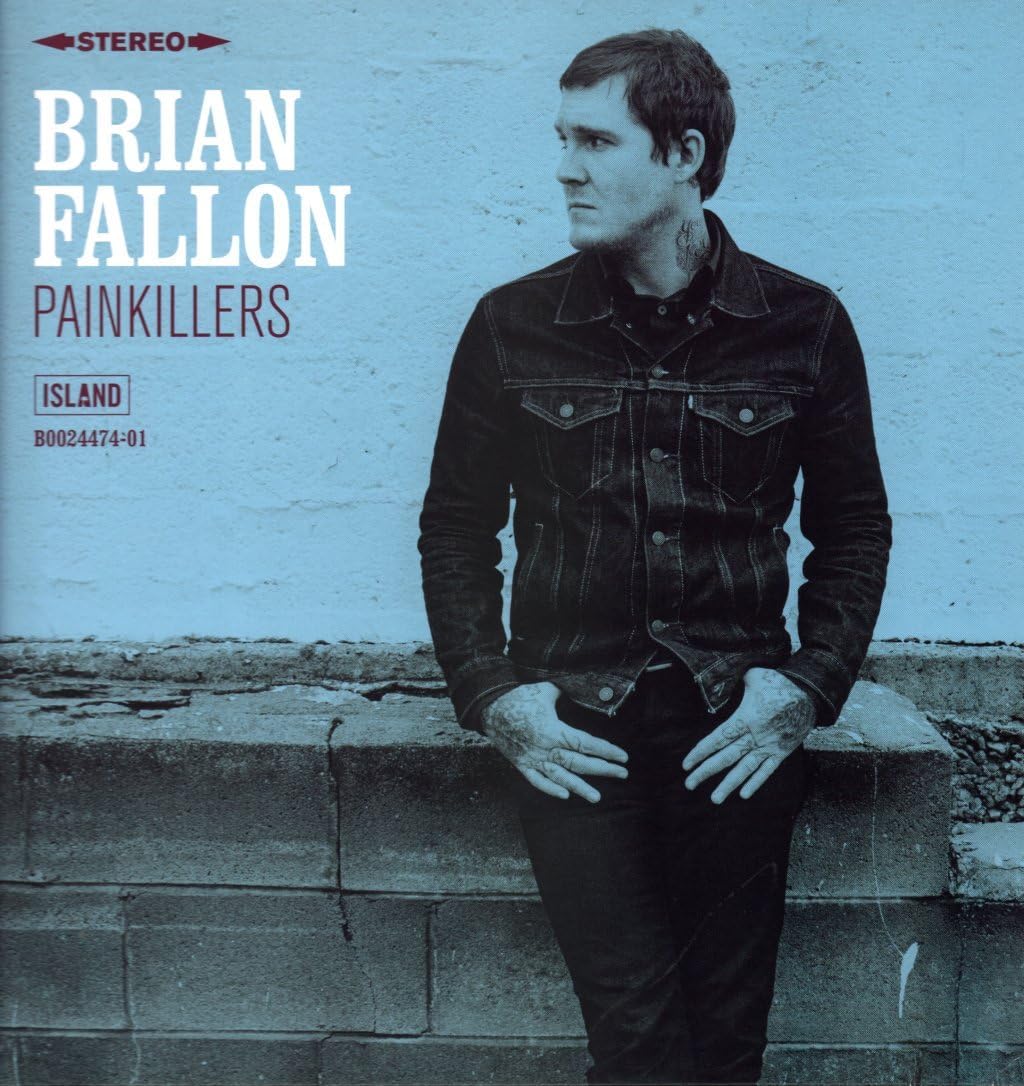

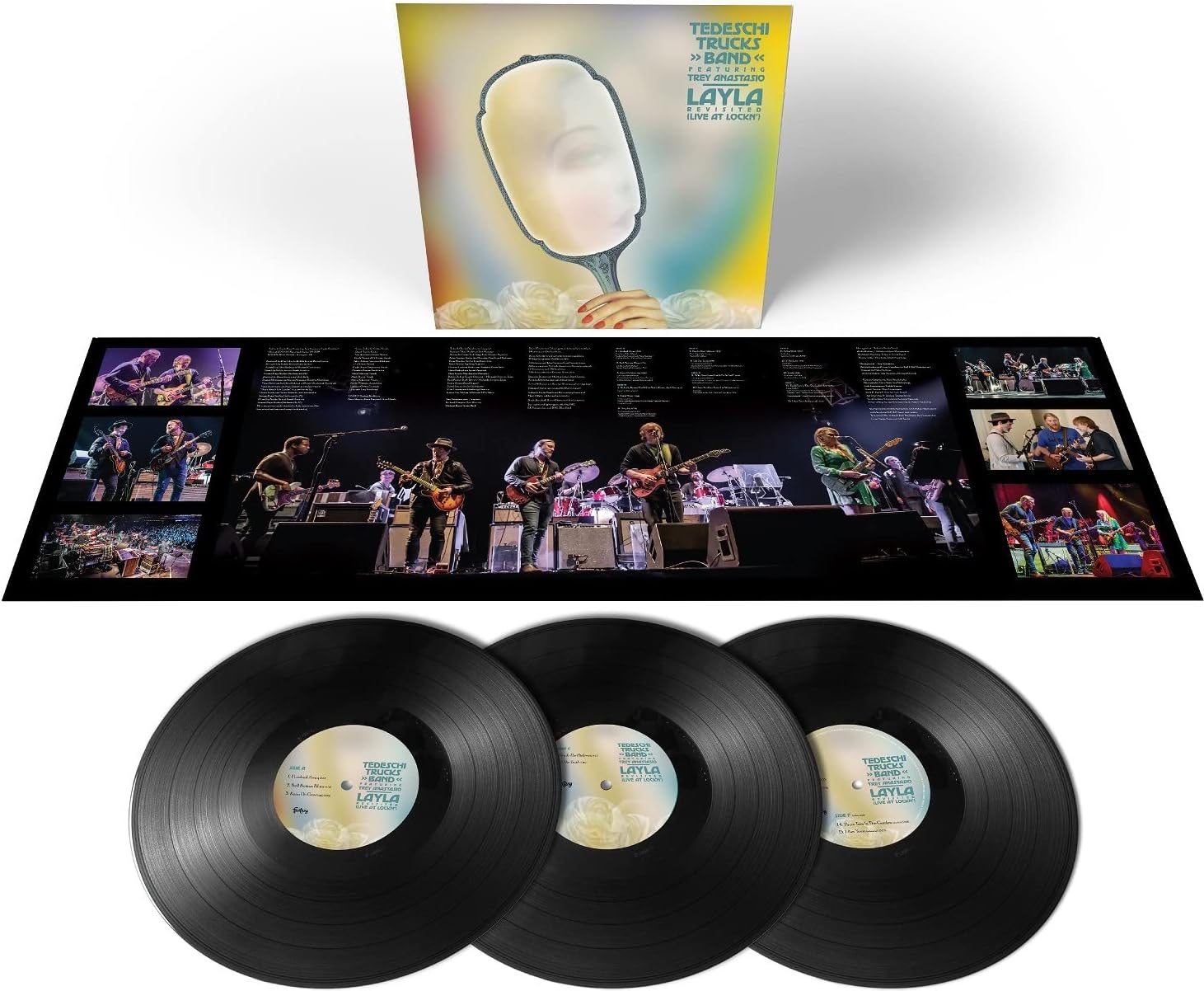




![A Portrait of the Queen 1970-1974 [6 LP Boxset] by Aretha Franklin — album cover](https://m.media-amazon.com/images/I/411MgHtoJvL._SY300_SX300_QL70_FMwebp_.jpg)
![Louis In London [Translucent Ruby LP] [Amazon Exclusive Vinyl] by Louis Armstrong — album cover](https://m.media-amazon.com/images/I/41-68tqGZaL._SX300_SY300_QL70_FMwebp_.jpg)

![The Christmas Song [Amazon Exclusive - Translucent Red LP] by Nat King Cole — album cover](https://m.media-amazon.com/images/I/71qIuEa95lL._AC_SL1500_.jpg)


![Young Blood[LP] by Marcus King — album cover](https://m.media-amazon.com/images/I/71SDSXtFX5L._AC_SL1500_.jpg)




![Etta James: The Montreux Years [2 LP] by Etta James — album cover](https://m.media-amazon.com/images/I/51HqX9NOybL._SY300_SX300_QL70_FMwebp_.jpg)


![Great Women Of Song: Nina Simone[LP] by Nina Simone — album cover](https://m.media-amazon.com/images/I/31KR+C-vjtL._SX300_SY300_QL70_FMwebp_.jpg)