Disco
96 vinyl records found
Disco emerged from African American, gay, and Hispanic American communities in the early 1970s as a dance-oriented genre built on funk and soul foundations. The style defined an era through its four-on-the-floor beat, lush orchestration, and soaring vocals, spawning both massive mainstream hits and a network of influential producers who shaped the sound from behind the scenes.


About the Disco genre
The roots of disco trace back to February 1970 when DJ David Mancuso opened The Loft, a members-only dance club in his New York home that became the template for disco venues. Most historians date the first proper disco releases to 1973, though Manu Dibango's Soul Makossa from 1972 claims that distinction in some circles. The sound itself relied on a steady four-on-the-floor kick, eighth and sixteenth note hi-hat patterns, and syncopated electric bass lines anchoring strings, horns, electric pianos, and flute melodies. Lead guitar rarely appeared, setting disco apart from rock conventions. By 1974, New York's WPIX-FM had launched the first dedicated disco radio show, signaling the genre's commercial momentum.
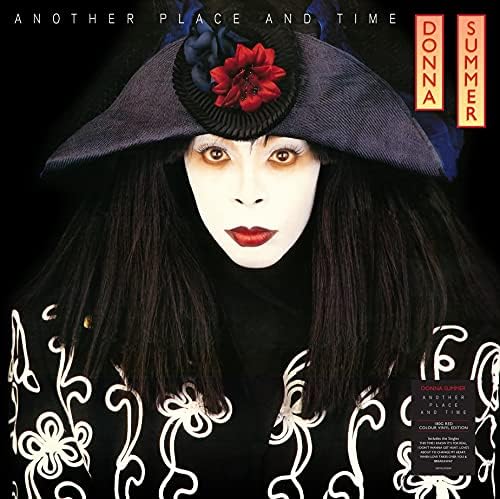
Donna Summer emerged as the first major female disco star while pioneering the electronic production techniques that would define the genre's later evolution. The Bee Gees and The Jacksons rounded out the late-1970s triumvirate of disco royalty, yet behind every hit stood producers like Giorgio Moroder and Jean-Marc Cerrone, who often wrote the songs and engineered the innovative sounds that made records stick. Films like Saturday Night Fever and Thank God It's Friday accelerated disco into the mainstream, inadvertently hastening its commercial collapse as backlash mounted. Between 1979 and 1986, major record labels including ABC Records, RSO Records, TK Records, Salsoul Records, and Casablanca Records either folded, reorganized, or shut down.
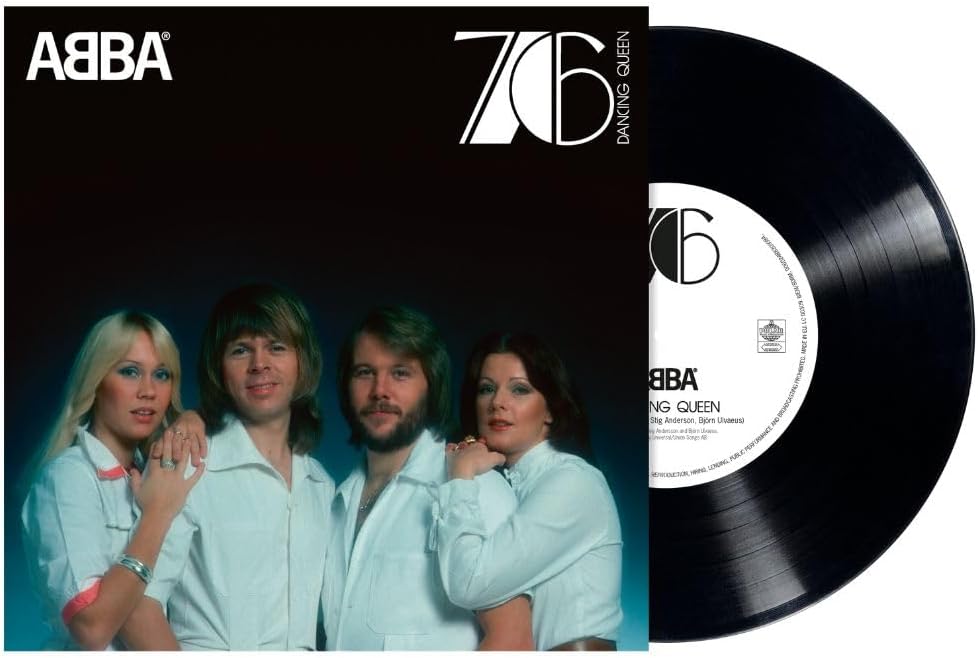
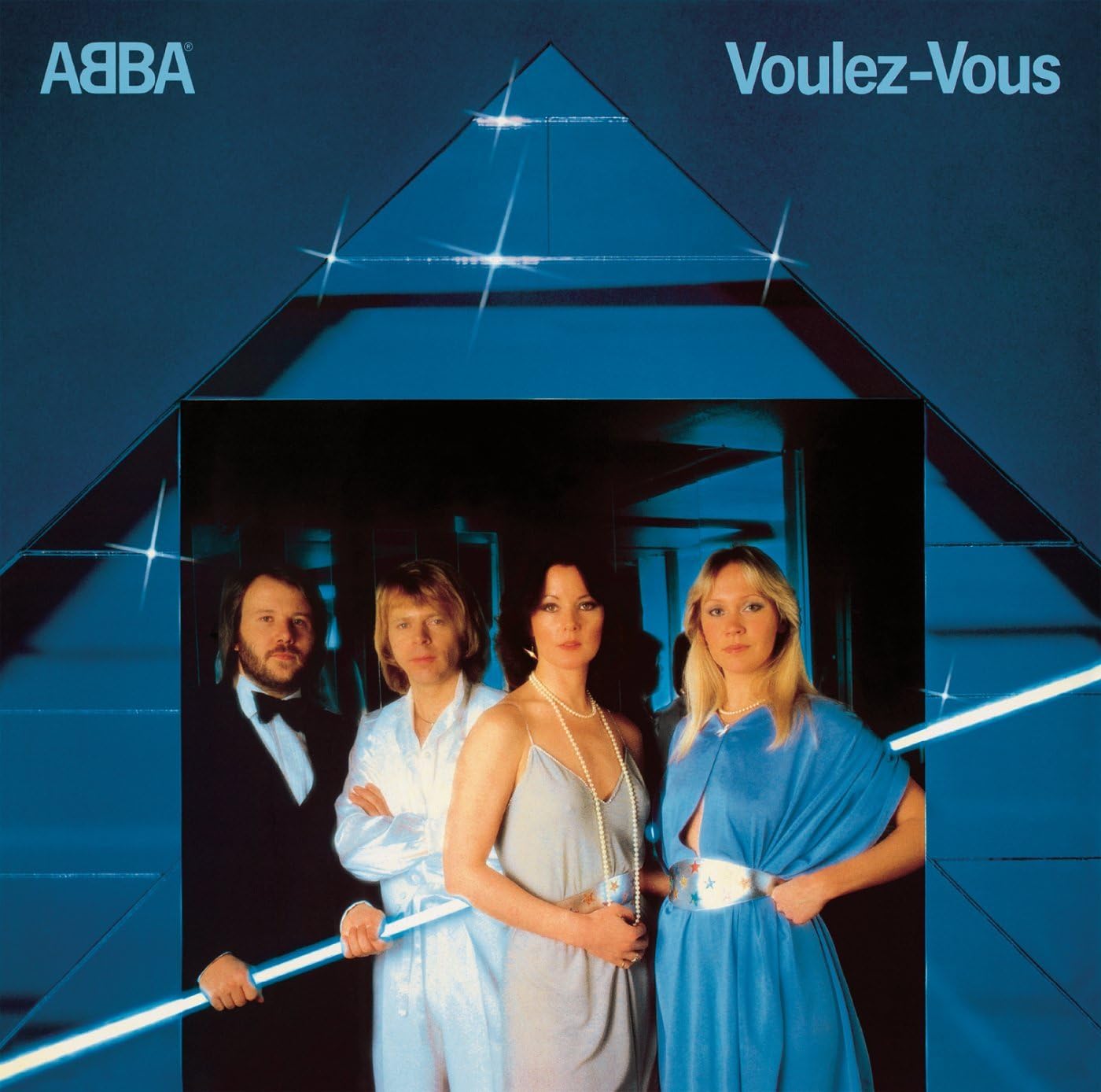
As American radio abandoned disco, the sound migrated across the Atlantic and evolved. ABBA became the most successful European disco act, with hits including Dancing Queen, Waterloo, and Gimme! Gimme! Gimme! (A Man After Midnight). Boney M., helmed by Frank Farian, charted worldwide with Daddy Cool and Rivers of Babylon, while Cerrone's Love in C Minor and Supernature crossed over as major hits in both continents. French acts Claude Francois and Dalida adapted the template to local tastes, creating a sustained market that kept disco alive long after its American commercial peak had passed.










![Waterloo[50th Anniversary] [2 LP] by ABBA — album cover](https://m.media-amazon.com/images/I/511idf-2ozL._SY300_SX300_QL70_FMwebp_.jpg)