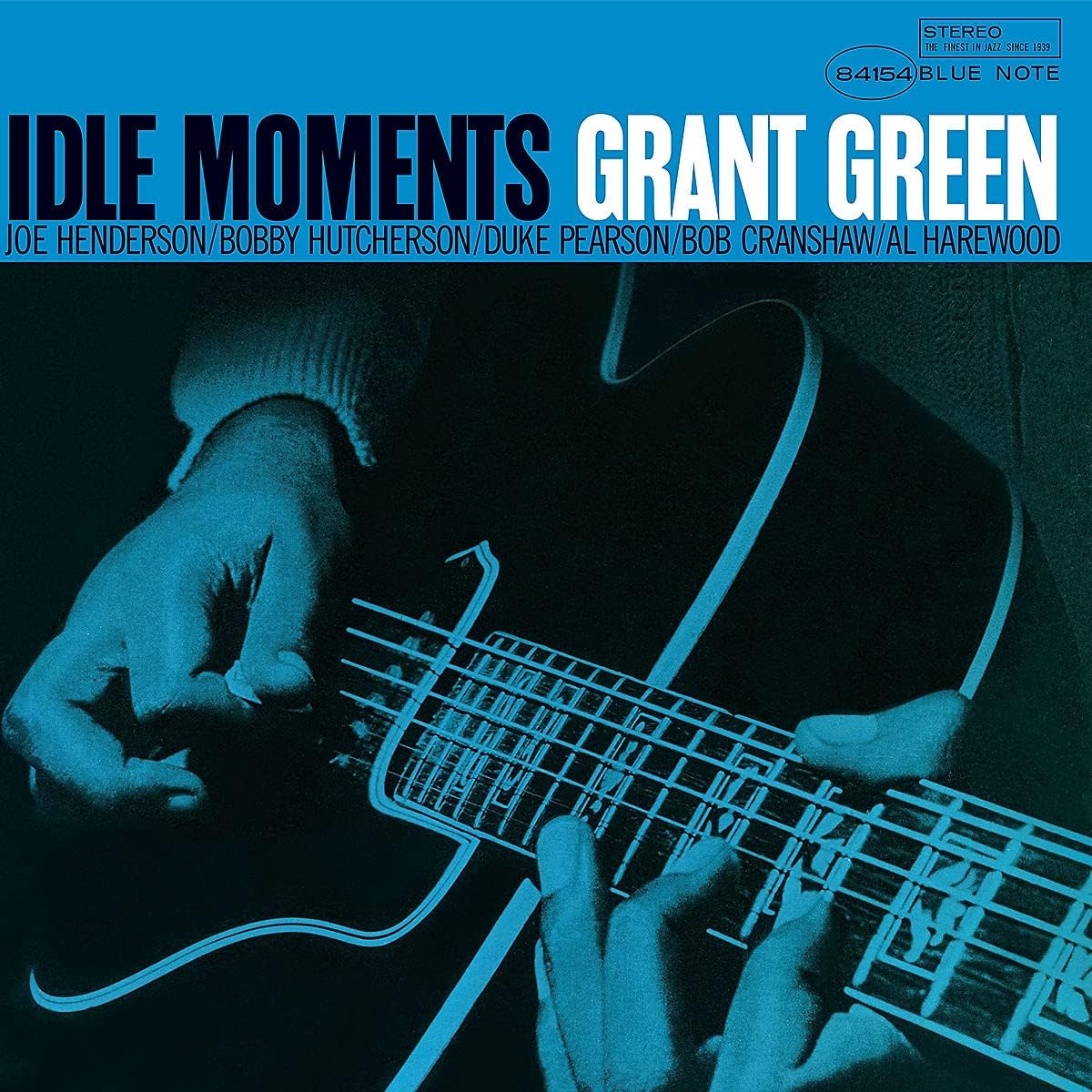
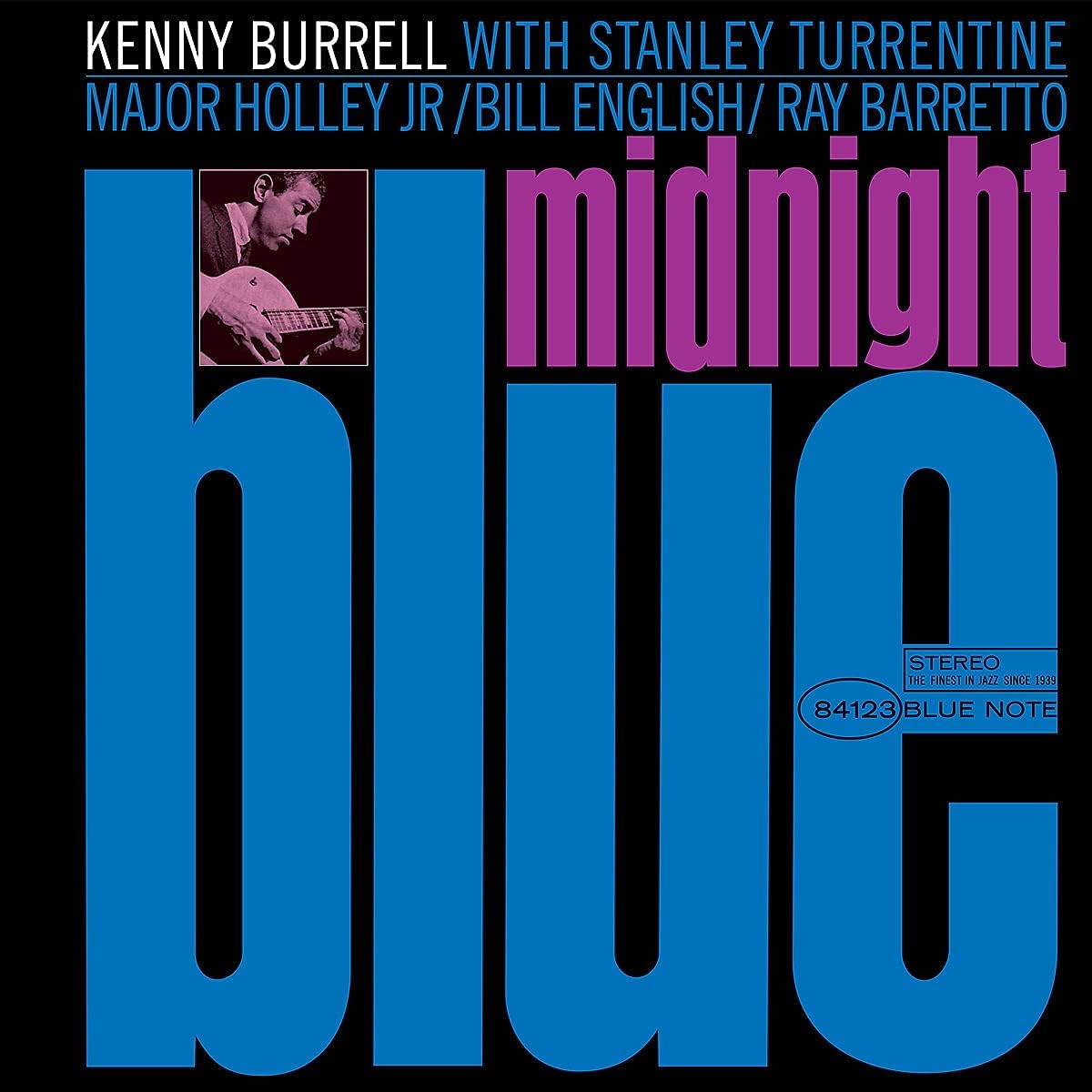
Jazz Guitar
13 vinyl records found
Jazz guitar emerged in the early 1930s when musicians began amplifying acoustic instruments to cut through ensemble sound. The genre encompasses both the hardware (archtop electrics and solid bodies) and the playing techniques (comping chord voicings, walking lines, and improvisation) that define modern jazz.


About the Jazz Guitar genre
The electric guitar became essential to jazz as the music grew louder and more rhythmically complex. Acoustic guitars dominated early jazz, but electric amplification arrived in the early 1930s as a practical solution to volume problems. By the 1940s, most working jazz guitarists had moved to electric instruments, a shift that persisted through the rest of the century. Solid body guitars entered the picture with mass production in the early 1950s, giving players new sonic possibilities alongside the traditional archtop designs.
The traditional jazz guitar setup centers on the archtop: a hollow body with violin-style f-holes, a floating bridge, and a magnetic pickup that lets the instrument sing in both comping and solo contexts. Jazz guitarists developed two primary approaches that remain standard. Comping means playing chords underneath melody and solos, using jazz voicings and sometimes walking bass lines to drive the tune forward. Blowing refers to improvisation over chord progressions, where players draw on scales, modes, and arpeggios to navigate the harmonic landscape with jazz phrasing and ornamental language.


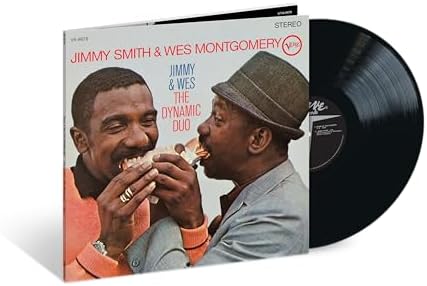


![The Incredible Jazz Guitar Of Wes Montgomery (Original Jazz Classics Series) [180g LP] by Wes Montgomery — album cover](https://m.media-amazon.com/images/I/71n9lqqPlDL._AC_SL1500_.jpg)

![The Sorcerer (Verve By Request Series)[LP] by Gabor Szabo — album cover](https://m.media-amazon.com/images/I/41iRb8+5ozL._SY300_SX300_QL70_FMwebp_.jpg)