Boleros
10 vinyl records found
Bolero is a slow-tempo Latin vocal tradition with two distinct paths: the Spanish 3/4 dance from the late 18th century and the Cuban 2/4 form that emerged in Santiago de Cuba a century later. Both have shaped popular music across the Americas for over a hundred years and remain central to Latin record collecting.

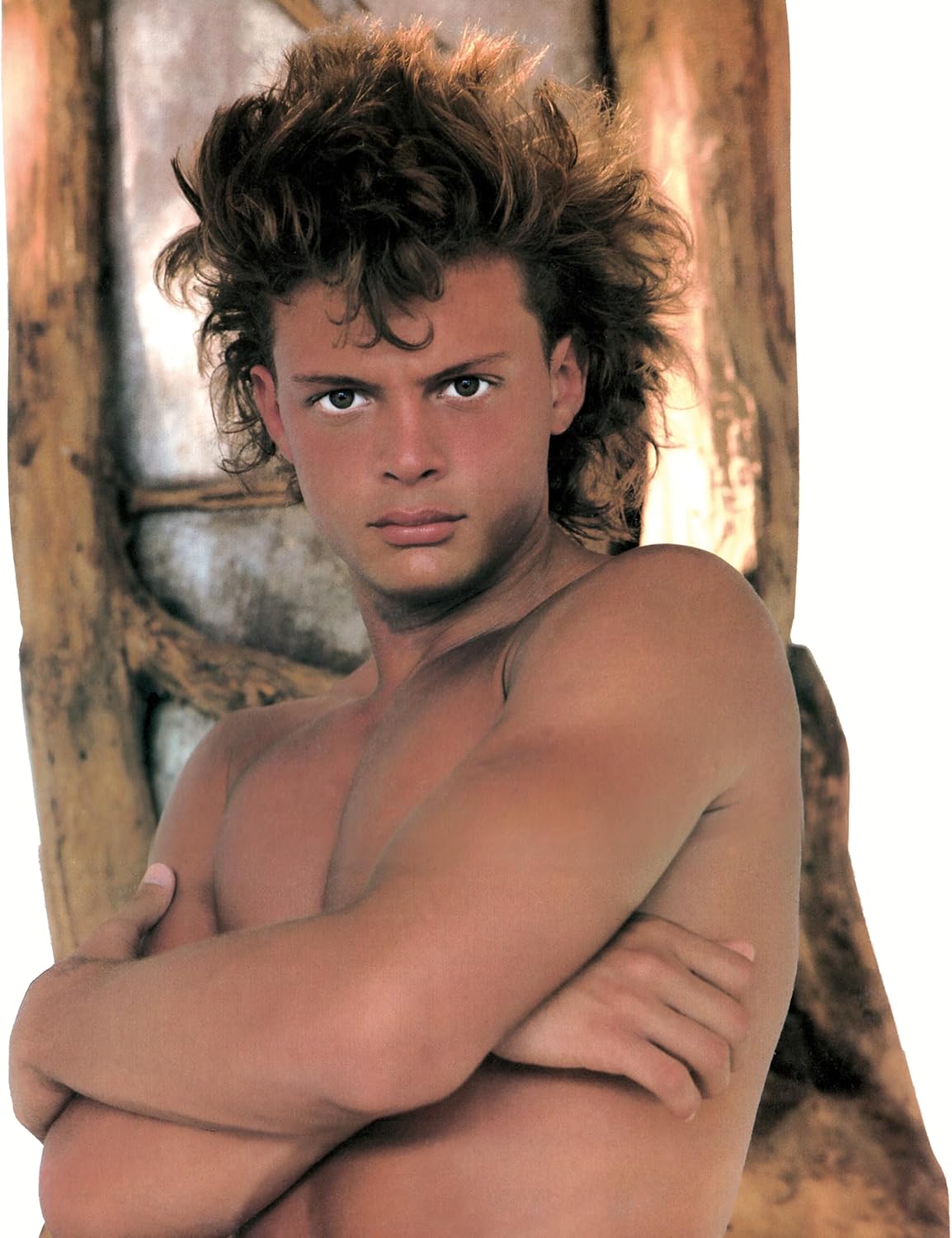

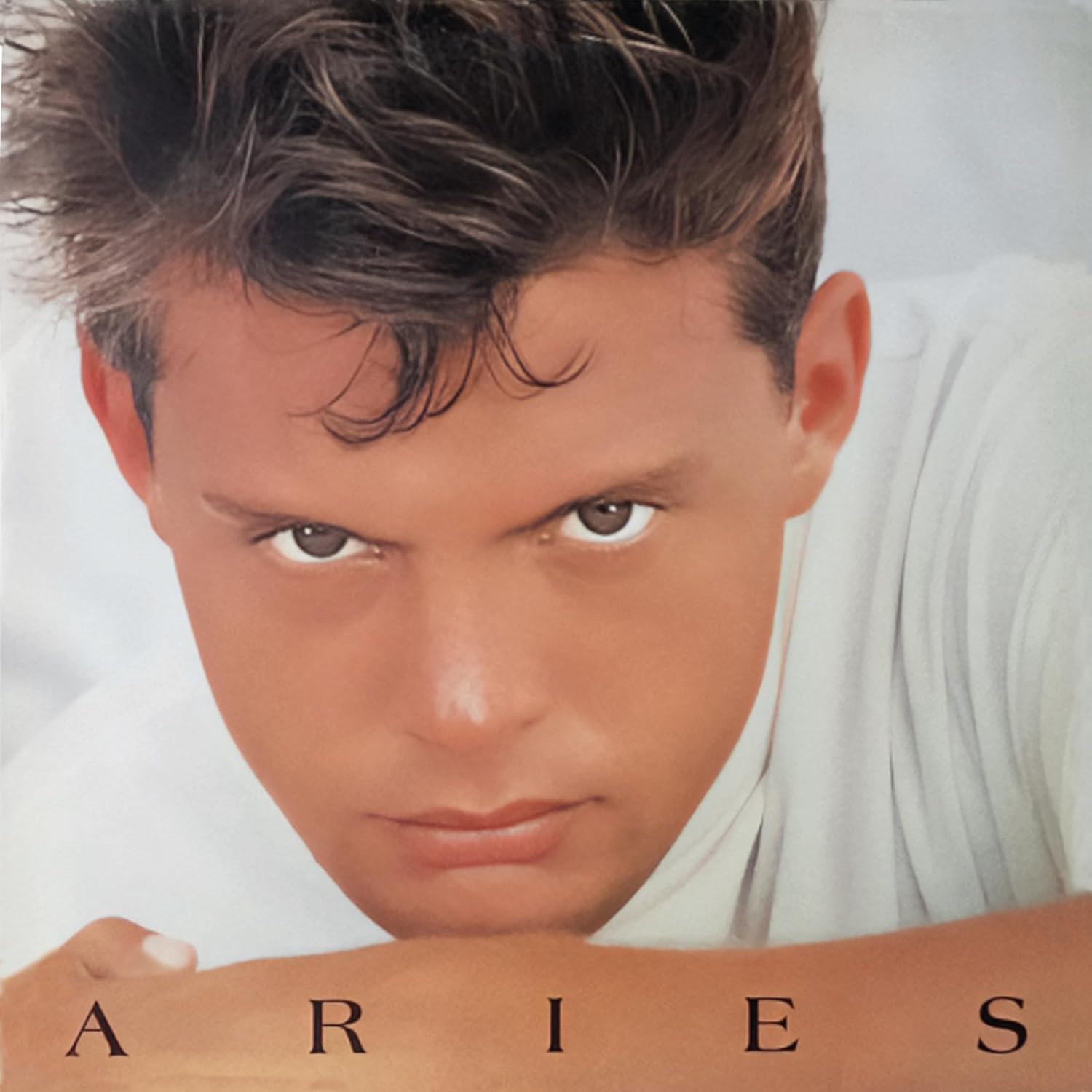


![Aries [LP] by Luis Miguel — album cover](https://m.media-amazon.com/images/I/51mHb3mo7fL._SY300_SX300_QL70_FMwebp_.jpg)


About the Boleros genre
The Spanish bolero started as a combination of the contradanza and sevillana, credited to dancer Sebastiano Carezo in 1780. Performed in triple time with castanets and guitars, it features lyrics of five to seven syllables per line and typically includes a triplet on the second beat of each bar. The form stayed rooted in Spain's musical tradition.
The Cuban bolero developed independently in Santiago de Cuba during the last quarter of the 19th century, emerging from a culture of itinerant musicians who earned their living playing guitar and singing. Pepe Sanchez, born in 1856, is recognized as the father of the trova style and creator of the Cuban bolero. Though he never wrote down his compositions, friends and disciples preserved roughly two dozen of his pieces, and he shaped the great trovadores who followed him. This Cuban form spread to Mexico and beyond, becoming what Ed Morales described as the most popular lyric tradition in Latin America.
The genre produced prolific composers from across the region, including Puerto Rican Rafael Hernández and Mexican Agustín Lara, both of whom left substantial catalogs worth tracking on vinyl. The Groove Hunter currently tracks multiple editions of bolero recordings, making it possible to compare pressings and editions of these foundational Latin records.