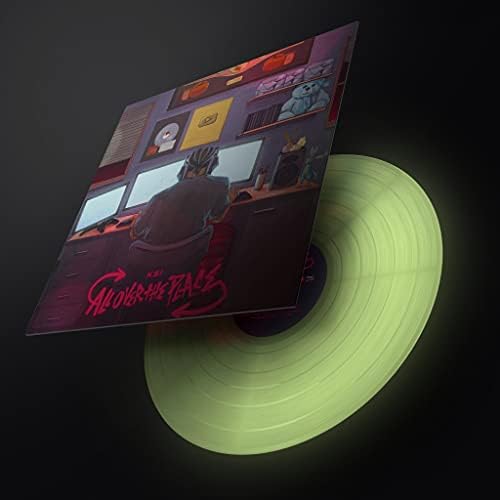
Grime
19 vinyl records found
Grime emerged from East London pirate radio in the early 2000s as a darker mutation of UK garage, built on rapid-fire MCs, minimal production, and sublow basslines that defined the sound. If you're collecting UK underground or electronic music from the 2000s, understanding grime's roots and evolution through its key artists and tracks is essential.
![Nymph[LP]Explicit Lyrics by Shygirl — album cover](https://m.media-amazon.com/images/I/31QWK82cJJL._AC_SL1500_.jpg)

About the Grime genre
Grime developed directly from UK garage, inheriting its dance floor energy but stripping away the house influences in favor of harder, more percussive production and aggressive vocal delivery. The genre took its name partly from Wiley's pioneering track 'Eskimo' and Musical Mob's 'Pulse X', both early examples of what would become grime's signature sound. Pirate radio stations were the incubator where MCs like Wiley, Dizzee Rascal, and others refined their skills and built followings years before mainstream breakthrough, a trajectory that shaped grime's independent spirit and production ethos.
The early-to-mid 2000s underground scene operated on low frequencies and rapid exchanges between MCs, with producers embracing the "sublow" aesthetic (basslines pushing 40 Hz) and what Wiley and collaborators termed "eskibeat". By 2008 to 2010, grime crossed into the mainstream through artists like Dizzee Rascal, Tinie Tempah, and Tinchy Stryder, who brought a more electropop-oriented polish to the genre's core sound. This mainstream push, visible in UK singles charts, marked grime's transition from underground movement to crossover genre without erasing its pirate radio roots and MC-focused DNA.

![We're All Alone In This Together [2 LP]explicit_lyrics by Dave — album cover](https://m.media-amazon.com/images/I/51RmNt9byPL._AC_SL1500_.jpg)